Understanding the Production Refine of Light Weight Aluminum Casting: A Comprehensive Overview
The manufacturing procedure of light weight aluminum Casting is detailed and diverse. It includes various strategies that transform molten light weight aluminum right into accurate shapes. Each technique, from sand Casting to pass away spreading, plays a crucial duty in the end product's quality. Understanding the subtleties of light weight aluminum alloys and melting procedures is fundamental. As one checks out the complexities of molding and finishing strategies, the importance of high quality control comes to be noticeable. What aspects truly influence the success of this process?
The Fundamentals of Light Weight Aluminum Casting
Light weight aluminum Casting is a critical production procedure that changes molten aluminum right into specific, elaborate forms. This process starts with the careful melting of light weight aluminum ingots or scrap in a heater, where temperature levels surpass 660 degrees Celsius. When molten, the light weight aluminum is put right into pre-designed molds, which determine the last type of the cast part.
Cooling takes place as the light weight aluminum solidifies, permitting it to take on the attributes of the mold and mildew. The top quality of the final product is affected by factors such as the pureness of the aluminum, the layout of the mold, and the air conditioning price. After solidification, the mold and mildews are gotten rid of to reveal the actors item, which might undertake added finishing processes, such as machining or surface area treatment, to meet visual needs and specific resistances. Generally, light weight aluminum Casting serves as a foundational technique in the production of numerous components throughout industries.
Types of Aluminum Casting Processes
The various aluminum Casting procedures play a necessary function in making efficiency and item top quality. Secret approaches include sand spreading, which is economical and functional; die spreading, known for its precision and speed; and irreversible mold spreading, which uses sturdiness and boosted surface finish. Each method has its one-of-a-kind benefits, making them suitable for different applications in the industry.
Sand Casting Method
While lots of Casting techniques exist, sand Casting remains among one of the most commonly used methods for forming light weight aluminum parts. This process involves developing a mold and mildew from sand, which is compressed around a pattern to develop the wanted form. As soon as the mold is ready, liquified aluminum is poured into the cavity, where it takes and strengthens on the type of the mold and mildew. Sand Casting is particularly valued for its versatility, allowing for the production of complex sizes and shapes. In addition, it is economical for both little and large manufacturing runs. The method appropriates for different aluminum alloys, making it a preferred option in industries ranging from automobile to aerospace. Its simpleness and versatility contribute to its long-lasting popularity in aluminum spreading.
Die Casting Approach
Die Casting stands for an extremely efficient method for generating light weight aluminum elements, identified by its ability to create complex shapes with superb dimensional accuracy. This process includes requiring liquified aluminum into a steel mold at high pressure, which permits for rapid manufacturing and very little waste. There are 2 key kinds of die spreading: warm chamber and cold chamber. Warm chamber die Casting is suitable for low-melting-point alloys, while cold chamber die Casting is excellent for greater melting points, giving versatility in material option. The die Casting approach not only ensures smooth surface area coatings however likewise allows the manufacturing of intricate geometries that are tough to accomplish with various other Casting techniques. Overall, die Casting is necessary for industries requiring high-volume manufacturing of accuracy elements.
Irreversible Mold Casting
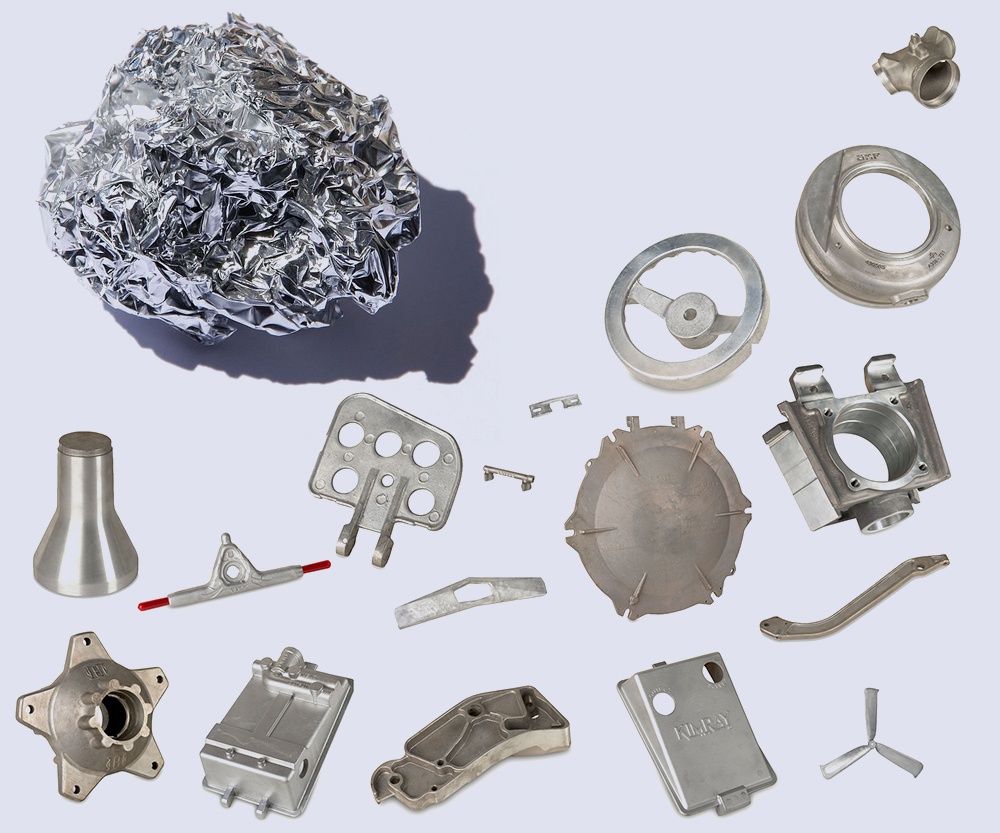
The Aluminum Casting Materials
Aluminum casting relies upon a variety of products to attain the desired properties and performance qualities of the end product. The key material used is light weight aluminum alloy, which consists of various elements such as silicon, magnesium, zinc, and copper to enhance certain attributes like stamina, deterioration resistance, and thermal conductivity. The choice of alloy is essential, as it directly influences the mechanical homes and casting behavior.
Along with the aluminum itself, various other products play significant duties in the Casting procedure. Sand, utilized in sand casting, supplies the mold structure, while ceramic products can be made use of for intricate forms in investment spreading. Furthermore, ingredients like fluxes might be incorporated to enhance fluidness and minimize oxidation during the Casting process. Each of these products is selected based on the demands of the last product, guaranteeing ideal performance and durability in its desired application.
The Aluminum Melting Process
Before casting, the light weight aluminum must undergo a melting procedure to transform it from solid to liquid type. This procedure typically happens in a company website heating system, where the aluminum is heated up to its melting point, roughly 660 levels Celsius (1220 degrees Fahrenheit) Different sorts of heaters may be employed, consisting of induction, resistance, and gas-fired heating systems, each offering various benefits concerning effectiveness and environmental impact.

Molding Techniques in Aluminum Casting
Molding methods play a vital role in the aluminum Casting process, affecting both the high quality and performance of the final product. The sand molding process and different die Casting techniques are two predominant methods utilized in the industry. Each technique is and supplies unique benefits fit for different applications, influencing the general production outcome.
Sand Molding Refine
While different strategies exist for shaping aluminum castings, the sand molding process stays one of the most extensively utilized techniques in the sector. This technique employs a mix of water, clay, and sand to produce mold and mildews that can hold up against the high temperatures of liquified aluminum. The procedure starts with creating a pattern, generally made from metal or plastic, which is after that pressed into the sand mix to develop the mold and mildew dental caries. Once the pattern is gotten rid of, the mold is constructed, and molten light weight aluminum is poured into the tooth cavity. After cooling, the sand is escaped, revealing the ended up casting. Sand molding supplies versatility in layout and is cost-efficient, making it ideal for both huge and little manufacturing runs.
Pass Away Casting Approaches
Die casting methods represent one more significant method in light weight aluminum spreading, offering distinctive benefits over typical sand molding. This procedure involves forcing liquified light weight aluminum into a steel mold and mildew under high pressure, allowing the manufacturing of complex forms with tight tolerances. There are 2 main sorts of die casting: warm chamber and cool chamber. In hot chamber pass away spreading, the injection unit is immersed in liquified metal, suitable for low-melting-point alloys. On the other hand, cold chamber die Casting needs the metal to be melted in a separate heating system and after that infused into the mold, making it ideal for higher melting-point alloys. Both approaches enhance production efficiency, reduce waste, and improve surface coatings, making pass away casting a preferred choice for many applications in the production sector.
Finishing Procedures for Aluminum Castings
Completing processes are important to improve the look and performance of light weight find more information aluminum spreadings, guaranteeing they satisfy the certain needs of different applications. These procedures consist of cleaning, surface therapy, and coating. Cleaning removes any recurring products, such as oils or sand, from the Casting surface, preparing it for additional therapy.
Surface treatment approaches, such as shot blowing up or sanding, aid improve and achieve an uniform structure adhesion for layers - Aluminum Casting Manufacturer. Plating is a prominent finishing strategy that increases corrosion resistance and offers an aesthetically pleasing coating
In addition, powder finish can offer durable color choices, while paint permits modification in appearance. Machining might additionally be employed to accomplish accurate measurements or extra surface area coatings. Each completing procedure plays a vital role in enhancing both the aesthetic and useful facets of light weight aluminum spreadings, contributing to their total top quality and longevity in numerous commercial applications.
Quality Assurance in Aluminum Spreading
Quality assurance in light weight aluminum Casting is a crucial facet of the manufacturing procedure that assures the final items meet the called for requirements and requirements. This procedure involves organized evaluations and examinations throughout various phases of production. At first, resources are assessed for chemical make-up and pollutants to verify they comply with sector norms. Throughout casting, parameters such as stress, temperature, and cooling rates are carefully checked to avoid defects like porosity or misalignment.
Post-casting evaluations consist of non-destructive screening methods, such as X-ray or ultrasonic evaluations, to detect inner defects. Additionally, dimensional checks analyze the precision of the cast components against layout requirements. The application of top quality administration systems helps in recording and tracking these processes, permitting continuous improvement. Aluminum Casting Manufacturer. By adhering to strenuous quality assurance procedures, suppliers can boost product integrity and performance, ultimately satisfying consumer needs and decreasing manufacturing expenses related to rework or scrap
Regularly Asked Questions
What Are the Environmental Effects of Aluminum Spreading?
The ecological influences of light weight aluminum Casting consist of power consumption, greenhouse gas emissions, and waste generation. Furthermore, the procedure can bring about water contamination and environment devastation, highlighting the demand for sustainable techniques in the industry.
Exactly How Does Aluminum Casting Compare to Other Steel Casting Procedures?
Light weight aluminum casting offers benefits such as reduced melting temperature levels and lighter weights compared to other steel Casting processes. This leads to minimized power usage and greater layout flexibility, making it a favored selection for various applications.
What Precaution Are Necessary Throughout Light Weight Aluminum Casting?
Safety measures during aluminum Casting consist helpful resources of wearing safety equipment, ensuring proper air flow, maintaining tools consistently, carrying out fire safety protocols, and giving training on taking care of liquified metal to minimize accidents and wellness risks in the work environment.
How Can I Recycle Aluminum Castings Successfully?
Recycling aluminum spreadings effectively entails accumulating scrap, cleaning up pollutants, and thawing the light weight aluminum (Aluminum Casting Manufacturer). The process needs to ensure correct splitting up of various alloys to maintain quality, adhered to by casting right into brand-new types for reuse in production
What Prevail Issues in Light Weight Aluminum Castings and Their Causes?
Usual problems in light weight aluminum castings include porosity, shrinkage, and imbalance. These issues commonly emerge from insufficient melting temperatures, improper mold and mildew layout, or inadequate cooling prices, impacting the end product's strength and honesty.
Each method, from sand Casting to die casting, plays an important role in the final item's quality. Key methods consist of sand spreading, which is functional and cost-efficient; pass away spreading, understood for its precision and rate; and irreversible mold spreading, which offers durability and boosted surface area coating. While numerous Casting methods exist, sand Casting continues to be one of the most extensively used methods for shaping light weight aluminum components. The die Casting method not only assures smooth surface area finishes yet additionally makes it possible for the production of intricate geometries that are hard to accomplish with other Casting techniques. Sand, utilized in sand spreading, supplies the mold structure, while ceramic materials can be made use of for complex forms in investment casting.
Comments on “The Expansion of Global Trade With an Aluminum Casting Manufacturer in Focus”